Get Chimney Inspection Service
Chimney Inspection Service connects property owners with local contractors who identify and address issues like blockages, creosote buildup, and structural damage to ensure safe, efficient chimney operation.
Ensuring your chimney is in proper condition is an important step for property owners planning upgrades, repairs, or routine maintenance. A thorough chimney inspection can help identify potential issues early, preventing costly damage and ensuring safety during use. If you’re considering a fireplace renovation, installing new appliances, or simply want peace of mind about your current setup, exploring local contractors who specialize in chimney inspections can provide valuable insights and options.
Property owners in the area often turn to experienced service providers to keep their chimneys functioning efficiently and safely. Comparing local contractors can help you find the right professional for your specific needs, whether it’s a routine inspection or a more detailed assessment. Keep reading to learn how local pros can assist with your chimney inspection project and ensure your home remains comfortable and secure.
- Chimney Inspection - needed when homeowners notice smoke backup or suspect buildup in their chimney.
- Annual Chimney Inspection - recommended for property owners who want to ensure their chimney remains safe and functional over time.
- Pre-Listing Chimney Inspection - advisable before selling a home to identify potential issues that could affect property value.
- Post-Storm Chimney Inspection - essential after severe weather to check for damage or obstructions caused by wind or debris.
- Chimney Repair Assessment - necessary when cracks, deterioration, or other damages are visible or suspected in the chimney structure.
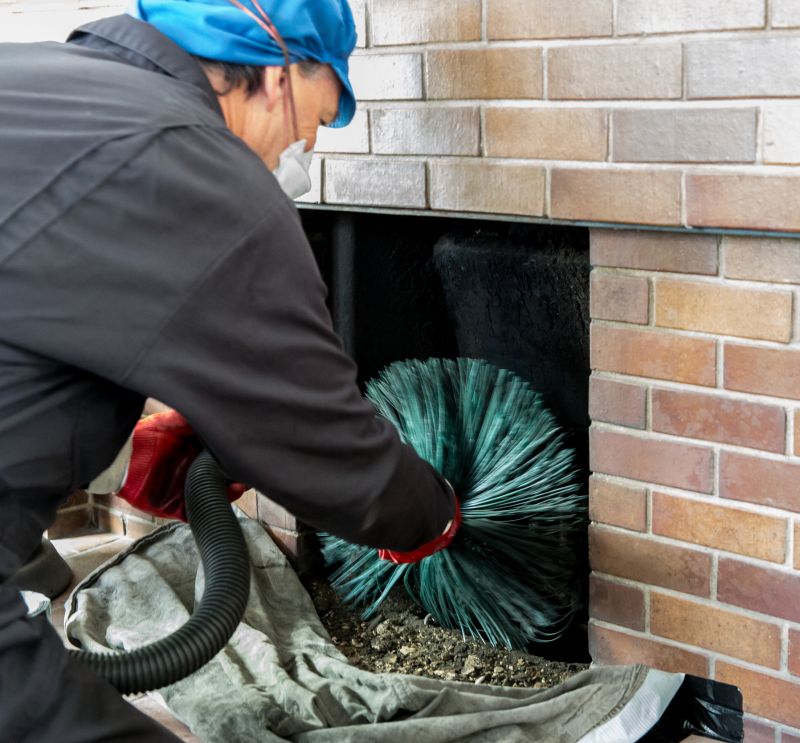
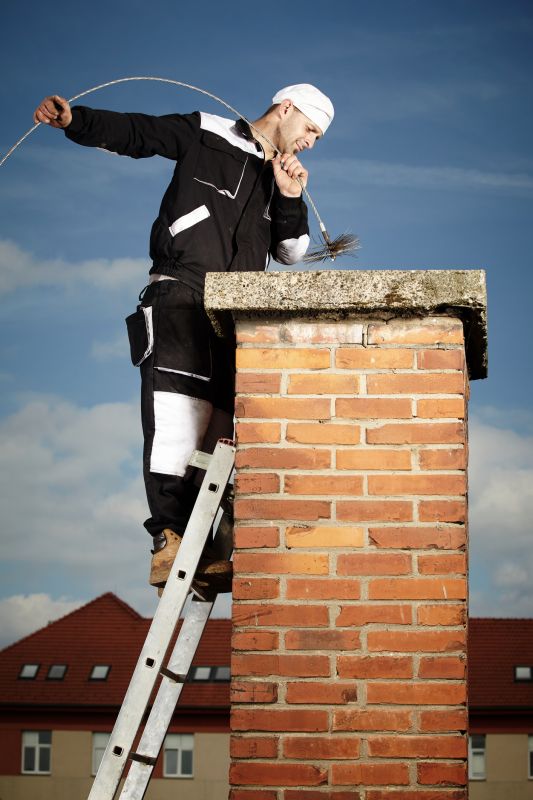
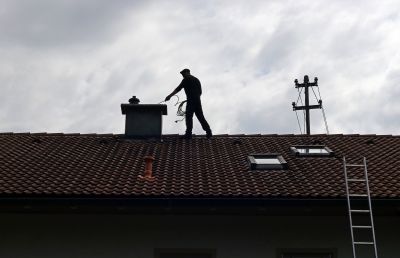
Chimney inspection services involve a thorough examination of a chimney’s interior and exterior components to ensure it is functioning safely and efficiently. During an inspection, professionals typically assess the condition of the flue liner, chimney crown, mortar joints, and other key parts. They look for signs of damage, deterioration, blockages, or creosote buildup that could pose safety risks or hinder proper venting. Regular inspections help identify issues early, preventing potential hazards before they develop into costly repairs or dangerous situations.
These services are essential for addressing common chimney problems such as cracks, corrosion, and obstructions that can compromise the safety of a home’s heating system. For example, a damaged flue liner or cracked chimney crown can allow smoke, gases, or even fire to escape into living spaces. Creosote buildup, a byproduct of burning wood, can also ignite if not removed, leading to chimney fires. Inspection services help detect these issues, enabling repairs or cleaning to be scheduled promptly, and ensuring the chimney operates safely and efficiently.
Chimney inspection services are used by a variety of property owners, including those with fireplaces, wood stoves, or pellet stoves. They are also common for homes that have not had their chimney checked in some time, or after severe weather events that may have caused damage. Property managers and landlords may also rely on these services to maintain rental properties. Whether a property is a single-family home, multi-unit building, or a historic residence with a masonry chimney, local service providers can assess and address the specific needs of each property type.
Homeowners should consider scheduling a chimney inspection if they notice signs such as smoke backing up into the house, a strong odor when the fireplace is in use, or visible cracks and deterioration on the chimney exterior. Regular inspections are especially important before the start of the heating season or after any chimney-related repairs. By working with experienced local contractors, homeowners can ensure their chimneys remain safe, functional, and ready for use, helping to prevent emergencies and extend the lifespan of their heating systems.
The overview below groups typical Chimney Inspection Service projects into broad ranges so you can see how smaller, mid-sized, and larger jobs often compare in your area.
In many markets, a large share of routine jobs stays in the lower and middle ranges, while only a smaller percentage of projects moves into the highest bands when the work is more complex or site conditions are harder than average.
Smaller Repairs - Typical costs for routine chimney inspections range from $150 to $300. Many common issues can be identified and addressed within this price range, which covers basic visual checks and minor repairs. Fewer projects fall into the higher end of this band unless additional services are needed.
Comprehensive Inspections - More detailed inspections, including chimney lining and venting assessments, usually cost between $300 and $600. These projects often involve thorough evaluations and are common for homeowners planning upgrades or repairs. Larger or more complex inspections can reach higher prices but are less frequent.
Extensive Repairs - When repairs involve significant structural work or replacing parts of the chimney, costs typically range from $600 to $2,000. Many projects fall within this middle range, though extensive repairs for older or heavily damaged chimneys can exceed this amount.
Full Chimney Replacement - Complete replacement or rebuilds can cost $3,000 and up, with larger, more complex projects reaching $5,000 or more. These are less common and usually necessary only in cases of severe damage or outdated construction, handled by local contractors specializing in major renovations.
Actual totals will depend on details like access to the work area, the scope of the project, and the materials selected, so use these as general starting points rather than exact figures.
Chimney Sweeping - professionals who perform thorough cleaning and inspection of chimneys utilize similar tools and techniques to identify blockages and ensure proper ventilation.
Fireplace Maintenance - service providers who inspect and repair fireplaces share skills in assessing structural integrity and safety features related to chimney systems.
Ventilation System Inspection - contractors inspecting home ventilation systems use comparable planning and diagnostic methods to detect obstructions and ensure airflow efficiency.
Flue Pipe Repair - specialists who repair or replace flue pipes require knowledge of chimney components and the ability to evaluate potential hazards.
Roof and Chimney Cap Installation - installers of caps and chimney covers use similar planning and safety considerations to prevent debris and water intrusion.
Duct Cleaning Services - providers cleaning HVAC ducts employ comparable tools and inspection techniques to ensure unobstructed airflow and system safety.
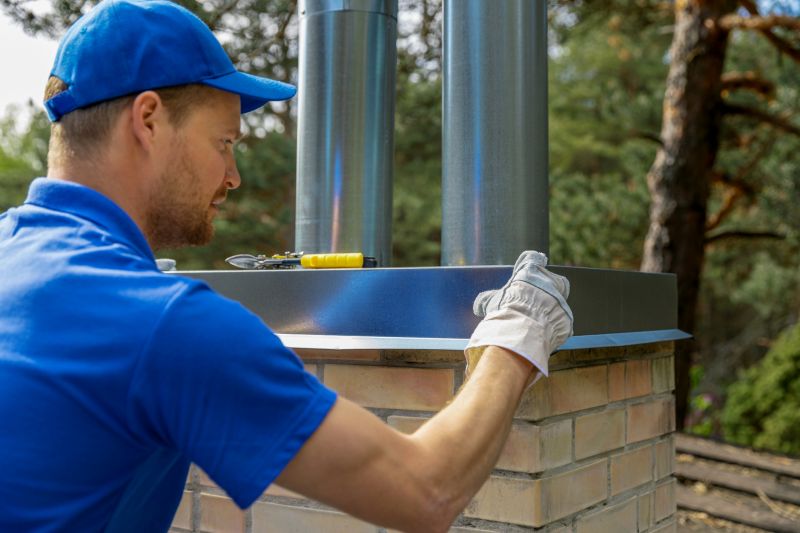
When comparing service providers for chimney inspection services, it is important to consider their experience with similar projects. Homeowners should look for local contractors who have a track record of performing inspections in residential settings comparable to their own. An experienced professional is more likely to be familiar with common issues and best practices, which can contribute to a thorough and reliable assessment of the chimney’s condition. Gathering information about the types of projects a contractor has handled can help ensure that their expertise aligns with the specific needs of the home.
Clear, written expectations are essential when evaluating potential service providers. Homeowners should seek out local pros who can provide detailed descriptions of the inspection process, what areas will be examined, and what the homeowner can expect to receive in terms of findings or reports. Having these expectations clearly documented can help prevent misunderstandings and ensure that both parties are aligned on the scope of work. This transparency supports a smoother experience and helps homeowners make informed decisions when choosing a contractor.
Reputable references and good communication are key indicators of a reliable chimney inspection service. Homeowners are encouraged to ask local contractors for references from past clients or to verify their reputation through independent sources. Additionally, a service provider’s responsiveness and willingness to answer questions can reveal their professionalism and commitment to customer service. Effective communication ensures that homeowners feel confident throughout the process and can easily address any concerns or clarifications that arise. It is important to remember that this site introduces homeowners to local options, not that it performs the work itself.
Property owners use Chimney Inspection Service services for practical projects around their homes and businesses. This guide focuses on everyday jobs and straightforward project options.
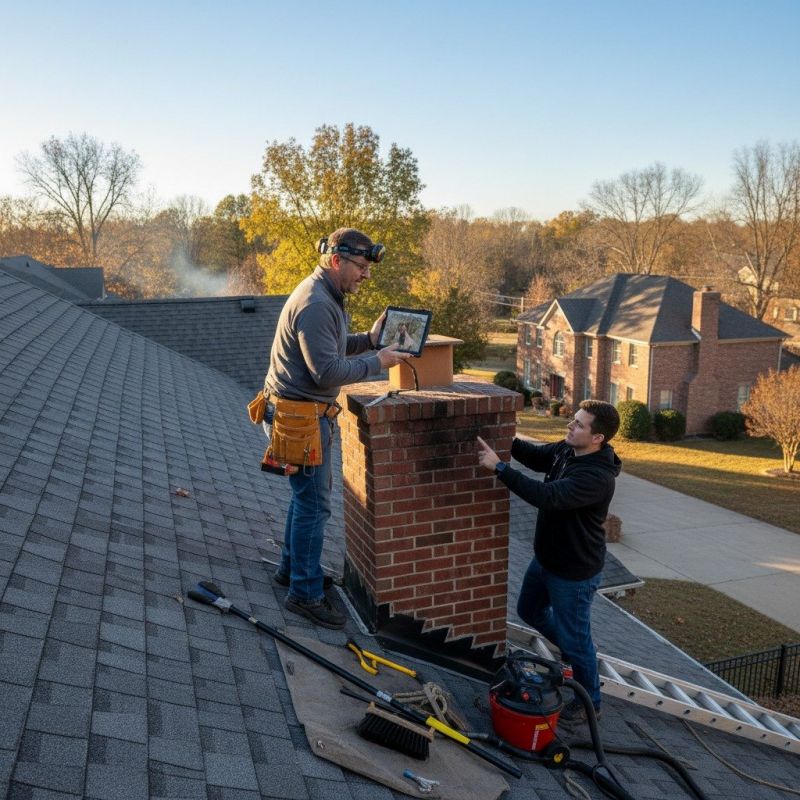
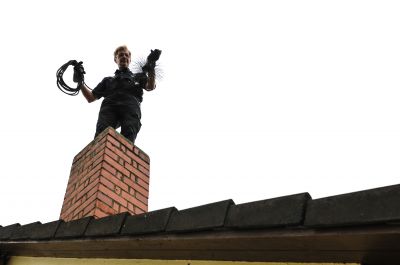
Chimney inspection services are frequently sought by property owners who want to ensure their fireplaces and heating systems are functioning safely and efficiently. Homeowners might schedule an inspection if they notice signs of soot or creosote buildup, experience unusual odors, or observe smoke backing up into the house. Regular inspections can help identify potential issues early, preventing costly repairs and reducing the risk of chimney fires.
Local contractors are often contacted when preparing a home for the colder months or after experiencing weather-related damage. Property owners may also seek inspections before installing new appliances or after renovations that could affect the chimney’s structure or ventilation. These services provide peace of mind by verifying that chimneys are in good condition and compliant with safety standards.
What is involved in a chimney inspection? A chimney inspection typically includes checking the structural integrity, examining the flue and chimney cap, and identifying any obstructions or damage that could affect performance or safety.
How often should a chimney be inspected? It is recommended to have a chimney inspected at least once a year to ensure it remains safe and functional, especially if it is used regularly.
What signs indicate a chimney needs an inspection? Visible issues such as soot buildup, cracks in the chimney structure, or a strong odor coming from the chimney can suggest the need for an inspection by a professional.
What tools do service providers use during a chimney inspection? Professionals often use flashlights, mirrors, and sometimes cameras to thoroughly examine the interior and exterior of the chimney for any issues.
Can a chimney inspection identify potential fire hazards? Yes, a thorough inspection can reveal creosote buildup, cracks, or blockages that may pose fire risks if not addressed by a qualified service provider.
Chimney Inspection Services - Regular inspections help property owners ensure their chimneys are safe and functioning properly before using the fireplace during colder months.
Fireplace Safety Checks - Homeowners can schedule inspections to identify potential blockages or damage that might affect indoor air quality or fire safety.
Pre-Season Chimney Assessments - Preparing for winter involves having local contractors evaluate the condition of the chimney to prevent issues during heavy use.
Damage Detection and Prevention - Inspections can reveal early signs of wear or deterioration that can be addressed to extend the life of the chimney system.
If you are thinking about Chimney Inspection Service for a property, this guide is meant to help you understand the work, the typical project types, and how different options might fit your plans.
When you are ready, you can use the quote form on this page to share a few details about your project. From there, local pros can review the basics and respond with options that match what you have in mind.